
Home » Travel Tips » Best Eco-Lodges & Sustainable Safari Camps
Home » Travel Tips » Best Eco-Lodges & Sustainable Safari Camps
Tanzania offers a growing number of eco-lodges and sustainable safari camps that focus on conservation, community, and low-impact tourism. Staying at one of these properties allows you to enjoy wildlife while supporting environmental protection and local development. Here are some of the top eco-friendly options worth considering.
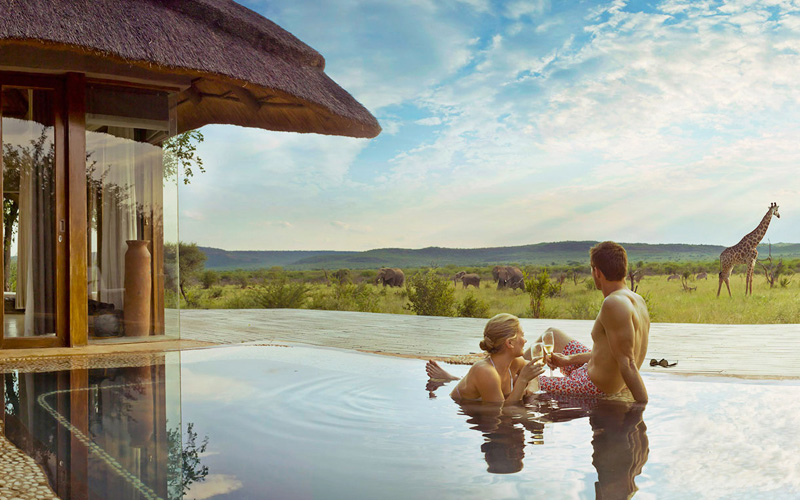
Chem Chem emphasizes “slow safari,” with solar-powered tents, locally sourced food, and minimal environmental footprint. Its camp design and operations support the surrounding Maasai community. Walking safaris, night drives, and cultural village visits are part of the experience.
Set in a private ecological concession, Mwiba Lodge uses renewable energy, limits guest numbers, and works closely with wildlife conservation programs. Guests stay in luxury suites that blend into the landscape, and proceeds help fund local protection efforts.
Eco-friendly tented camps along the Rufiji River operate with solar power, composting toilets, and strict limits on visitor numbers. Their guides focus on educating guests about the importance of conservation and responsible travel in one of Africa’s largest wilderness areas.
Ruaha Eco-Lodge is deeply invested in conservation and community. Its design uses local materials, and it supports anti-poaching efforts, local schools, and water-management projects. Game drives and walking safaris emphasize ecological knowledge and sustainable tourism.
Built among trees near Lake Manyara National Park, this lodge uses natural architecture and minimal disturbance to its surroundings. Solar energy powers parts of the camp, and staff are actively involved in community-based conservation and bird-count research programs.
Pangolin Expeditions offers custom eco-safari packages featuring the lodges and camps listed above. Whether you want solar-powered luxury in the Serengeti, ethical stays by the Rufiji, or tree lodges near Lake Manyara, we can design a sustainable trip that aligns with your values.
Hear from our clients! At Safari Peak, we’re proud to share stories of unforgettable Tanzania safaris, thrilling Kilimanjaro climbs, and serene beach escapes, all crafted to create lasting memories.
Trustindex verifies that the original source of the review is Google. I had an absolutely incredible experience in Tanzania with Pangolin Travelers Expeditions. My adventure began in Serengeti National Park, where the sweeping landscapes and abundant wildlife completely exceeded my expectations. Our guide, James, was exceptional—his deep knowledge, sharp eye for spotting animals, and genuine passion for the bush made every moment unforgettable. Tarangire was teeming with elephants and beautiful baobab trees, while Ngorongoro Crater delivered jaw-dropping wildlife encounters in the most dramatic setting. The accommodations were clean, cozy, and ideally located near the parks. The food was delicious and hearty throughout the trip. If you're looking to explore the best of Tanzania, this journey with James and Pangolin Travelers is a must!Trustindex verifies that the original source of the review is Google. I had the best time in Zanzibar with Pangolin Travelers Expeditions! Everything was well organized, and the team was super friendly and helpful throughout the trip. From the beaches to the spice tour and Stone Town, every moment was memorable. I felt safe, relaxed, and truly taken care of. Highly recommend them if you're planning a trip to Zanzibar!Trustindex verifies that the original source of the review is Google. The Experience Provided by this Locally Owned Tanzania Company is Superb, Experience Tanzania with the best travel company Pangolin Travelers' ExpeditionsShowing our latest reviews
Explore some of the Similar Tanzania Safari Deals and Choose your Best Safari with us