
Home » Travel Tips » Eco-Friendly Trekking on Mount Kilimanjaro
Home » Travel Tips » Eco-Friendly Trekking on Mount Kilimanjaro
Trekking Mount Kilimanjaro is an incredible adventure, but it comes with a responsibility to protect the environment. Eco-friendly trekking on Mount Kilimanjaro ensures that climbers leave the mountain as pristine as they found it, while supporting local communities and wildlife. By adopting sustainable practices, climbers contribute to preserving this natural wonder for future generations.
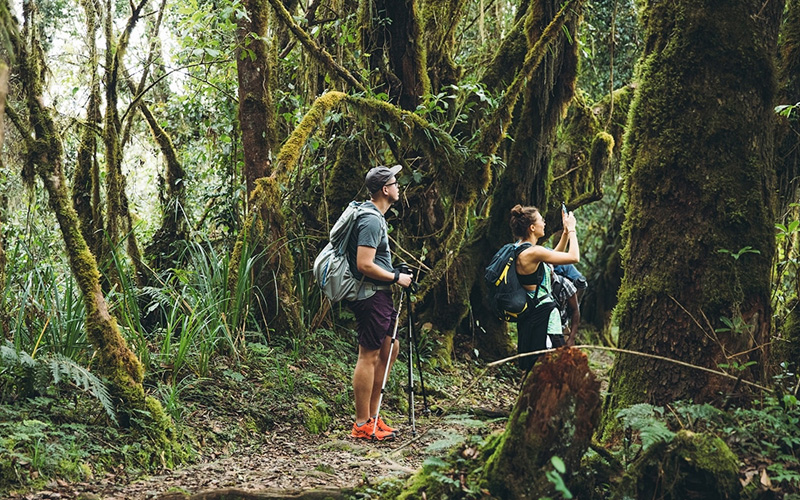
Kilimanjaro is home to unique ecosystems, from tropical rainforests to alpine deserts. Foot traffic, litter, and improper waste disposal can damage trails, pollute water sources, and harm wildlife. Eco-friendly trekking helps reduce these impacts, ensuring the mountain remains healthy and beautiful. Moreover, supporting sustainable tourism helps local communities thrive through fair employment and conservation programs.
Carry reusable water bottles, utensils, and containers. Avoid single-use plastics and make sure all trash is packed out or disposed of properly at designated sites.
Stay on marked trails to prevent soil erosion and avoid disturbing wildlife. Do not pick plants or remove natural artifacts.
Hire local guides and porters through reputable trekking companies. They rely on fair wages and ethical working conditions, and their involvement supports community development.
Bring biodegradable soaps, eco-friendly sunscreen, and quick-dry clothing. Avoid products that could contaminate water sources or soil.
Water is a precious resource on the mountain. Drink responsibly and avoid wasting water during washing or cooking. Camp staff often carry water from distant sources, so using it efficiently reduces environmental strain.
Consider offsetting your carbon footprint by supporting tree-planting initiatives or conservation projects. Sustainable trekking companies may include environmental contributions in their packages to reduce the impact of your trip.
After your Kilimanjaro climb, continue your eco-conscious journey with a safari through Pangolin Expeditions. Their tours focus on sustainable tourism in Tanzania’s national parks, including Serengeti, Ngorongoro, Tarangire, and Lake Manyara. Wildlife conservation, responsible lodging, and low-impact game drives are central to their approach.
Combining eco-friendly trekking on Mount Kilimanjaro with a sustainable safari provides a full Tanzanian adventure while minimizing environmental impact.
For professional guidance, sustainable itineraries, and a responsible trekking and safari experience, contact Pangolin Expeditions. Their expert guides, eco-conscious practices, and personalized service ensure a memorable and environmentally responsible journey.
Hear from our clients! At Safari Peak, we’re proud to share stories of unforgettable Tanzania safaris, thrilling Kilimanjaro climbs, and serene beach escapes, all crafted to create lasting memories.

 Benjamin Miller
Trustindex verifies that the original source of the review is Google.
I had an absolutely incredible experience in Tanzania with Pangolin Travelers Expeditions. My adventure began in Serengeti National Park, where the sweeping landscapes and abundant wildlife completely exceeded my expectations. Our guide, James, was exceptional—his deep knowledge, sharp eye for spotting animals, and genuine passion for the bush made every moment unforgettable. Tarangire was teeming with elephants and beautiful baobab trees, while Ngorongoro Crater delivered jaw-dropping wildlife encounters in the most dramatic setting. The accommodations were clean, cozy, and ideally located near the parks. The food was delicious and hearty throughout the trip. If you're looking to explore the best of Tanzania, this journey with James and Pangolin Travelers is a must! Salome PedroI had the best time in Zanzibar with Pangolin Travelers Expeditions! Everything was well organized, and the team was super friendly and helpful throughout the trip. From the beaches to the spice tour and Stone Town, every moment was memorable. I felt safe, relaxed, and truly taken care of. Highly recommend them if you're planning a trip to Zanzibar!
 Haji HassanThe Experience Provided by this Locally Owned Tanzania Company is Superb, Experience Tanzania with the best travel company Pangolin Travelers' ExpeditionsShowing our latest reviews
Explore some of the Similar Tanzania Safari Deals and Choose your Best Safari with us