Home » Travel Tips » Kilimanjaro Health and Safety Guide
Home » Travel Tips » Kilimanjaro Health and Safety Guide
Climbing Mount Kilimanjaro is a life-changing adventure, but your health and safety should be a top priority. This guide covers essential information for staying safe on the mountain, including altitude management, acclimatization, hydration, nutrition, weather precautions, and tips for first-time climbers. Following these steps can help ensure a successful and enjoyable summit experience.
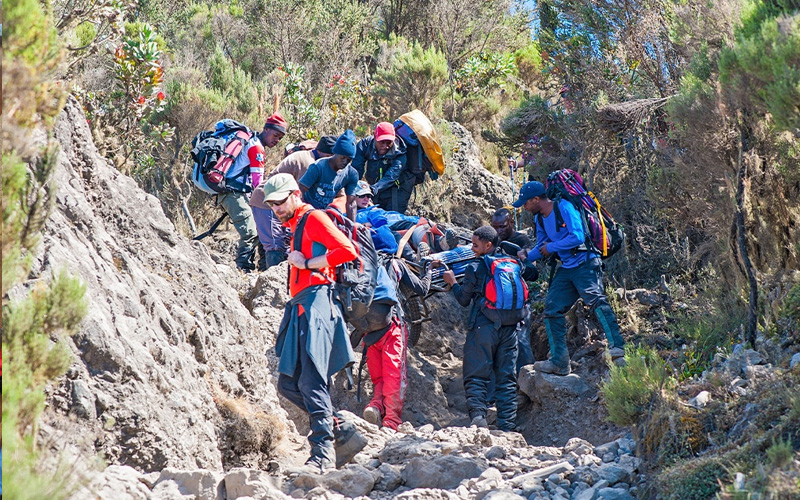
Altitude sickness is the main health concern on Kilimanjaro. As you climb above 2,500 meters, oxygen levels decrease, which can lead to Acute Mountain Sickness (AMS).
Common symptoms:
Severe symptoms that require immediate descent include confusion, loss of coordination, intense headache, persistent vomiting, and difficulty breathing at rest. Being aware of the warning signs is crucial for your safety.
Proper acclimatization reduces the risk of AMS and increases your chance of reaching the summit. Recommended tips include:
Some climbers may use Diamox after consulting a doctor to help prevent altitude sickness.
Professional guides conduct daily health checks during the climb. Expect monitoring of:
Your guide may adjust your pace or recommend descending if any dangerous signs appear. This constant supervision ensures climbers stay safe.
Proper nutrition and hydration are critical. Meals on Kilimanjaro usually include:
Kilimanjaro’s five climate zones require suitable clothing for safety:
Recommended gear:
Proper gear helps prevent hypothermia and protects against extreme conditions.
Carry a basic first aid kit and any personal medications. Guides are trained in emergency response, and evacuation procedures are in place if needed. Always follow the guidance of your experienced guide.
Climbing Kilimanjaro safely is easier with a trusted local operator For full packages, expert guides, and health-conscious itineraries, contact Pangolin Expeditions
Hear from our clients! At Safari Peak, we’re proud to share stories of unforgettable Tanzania safaris, thrilling Kilimanjaro climbs, and serene beach escapes, all crafted to create lasting memories.

 Benjamin Miller
Trustindex verifies that the original source of the review is Google.
I had an absolutely incredible experience in Tanzania with Pangolin Travelers Expeditions. My adventure began in Serengeti National Park, where the sweeping landscapes and abundant wildlife completely exceeded my expectations. Our guide, James, was exceptional—his deep knowledge, sharp eye for spotting animals, and genuine passion for the bush made every moment unforgettable. Tarangire was teeming with elephants and beautiful baobab trees, while Ngorongoro Crater delivered jaw-dropping wildlife encounters in the most dramatic setting. The accommodations were clean, cozy, and ideally located near the parks. The food was delicious and hearty throughout the trip. If you're looking to explore the best of Tanzania, this journey with James and Pangolin Travelers is a must! Salome PedroI had the best time in Zanzibar with Pangolin Travelers Expeditions! Everything was well organized, and the team was super friendly and helpful throughout the trip. From the beaches to the spice tour and Stone Town, every moment was memorable. I felt safe, relaxed, and truly taken care of. Highly recommend them if you're planning a trip to Zanzibar!
 Haji HassanThe Experience Provided by this Locally Owned Tanzania Company is Superb, Experience Tanzania with the best travel company Pangolin Travelers' ExpeditionsShowing our latest reviews
Explore some of the Similar Tanzania Safari Deals and Choose your Best Safari with us